In 2026, the conversation around inclusion must go far beyond race, gender, and age. There’s a critical and often overlooked aspect of workplace diversity that deserves immediate attention: neurodiversity.
Already, 1 in 5 people in the workforce (20%) are neurodivergent. That means they may have ADHD, autism, dyslexia, dyspraxia, or other cognitive differences. And this number is set to rise. A staggering 53% of Gen Z (those aged 13–28 in 2025) resonate with neurodivergent traits, not just identifying with a diagnosis but also with the experience of thinking, processing, and interacting differently.
Despite these growing numbers, only 25% of neurodivergent professionals feel truly included at work. That should stop every business leader in their tracks.
It’s not just a matter of fairness, it’s a business imperative. Studies show that neurodiverse teams can be up to 30% more productive than teams lacking cognitive diversity. In certain roles, neurodivergent professionals outperform neurotypical peers by as much as 90% to 140%.
Let’s unpack what this means and why now is the time to act.
What Does “Neurodivergent” Really Mean?
Neurodivergence refers to natural variations in how people think, learn, and behave. These differences are not deficits, they are cognitive styles. Common neurodivergent profiles include:
- Autism
- ADHD
- Dyslexia
- Dyspraxia
- Tourette Syndrome
- OCD (in some contexts)
Each of these conditions brings its own challenges, but also its own strengths.
For example, someone with ADHD might struggle with traditional time management systems but thrive in fast-paced environments requiring rapid ideation and creative problem-solving. An autistic team member may prefer structured communication but offer exceptional pattern recognition, memory, or logical thinking.
The bottom line? Cognitive diversity is real, and it matters.
The Inclusion Gap
Here’s the challenge: only 25% of neurodivergent employees feel fully included at work.
This isn’t about having beanbags in the break room or posting about Neurodiversity Celebration Week. It’s about whether workplaces genuinely understand and support the ways neurodivergent individuals think and function.
Consider these common barriers:
- Rigid communication styles (e.g. expecting eye contact or spontaneous small talk)
- Over-reliance on meetings and verbal processing
- Lack of clarity in job expectations
- Inflexible working hours or environments
Now contrast that with what helps neurodivergent professionals thrive:
- Clear written instructions and expectations
- Flexible working hours or remote work
- Quiet workspaces or noise-cancelling tools
- Focus on outcomes, not process
The good news? These adjustments don’t just help neurodivergent employees, they benefit everyone. Inclusive design is universal design.
Neurodivergence as a Competitive Advantage
Let’s talk results. A growing body of research shows that neurodiverse teams outperform their peers in key areas, including innovation, productivity, and problem-solving.
In one case study from a global IT firm, neurodivergent employees achieved 90% to 140% higher productivity than neurotypical peers in software testing roles. Why? Because the tasks suited their attention to detail, pattern recognition, and tolerance for repetition, traits often undervalued in typical hiring processes.
Similarly, research by Deloitte and Harvard Business Review has shown that teams with neurodivergent members:
- Solve problems faster
- Are more innovative
- Are better at managing risk
Let that sink in: up to 140% higher productivity, not because neurodivergent people are “better”, but because when matched to the right roles, environments, and support systems, their brains are wired to excel.
In other words, this isn’t about charity, it’s about strategic hiring.
In short, neurodiversity is not just a “nice to have.” It’s a business advantage.
Why the Disconnect?
If the benefits are so clear, why are inclusion rates still so low?
The answer lies in outdated systems, hiring practices that favour eye contact and small talk over competence, rigid job descriptions, one-size-fits-all onboarding, and performance reviews that don’t account for diverse communication styles or working rhythms.
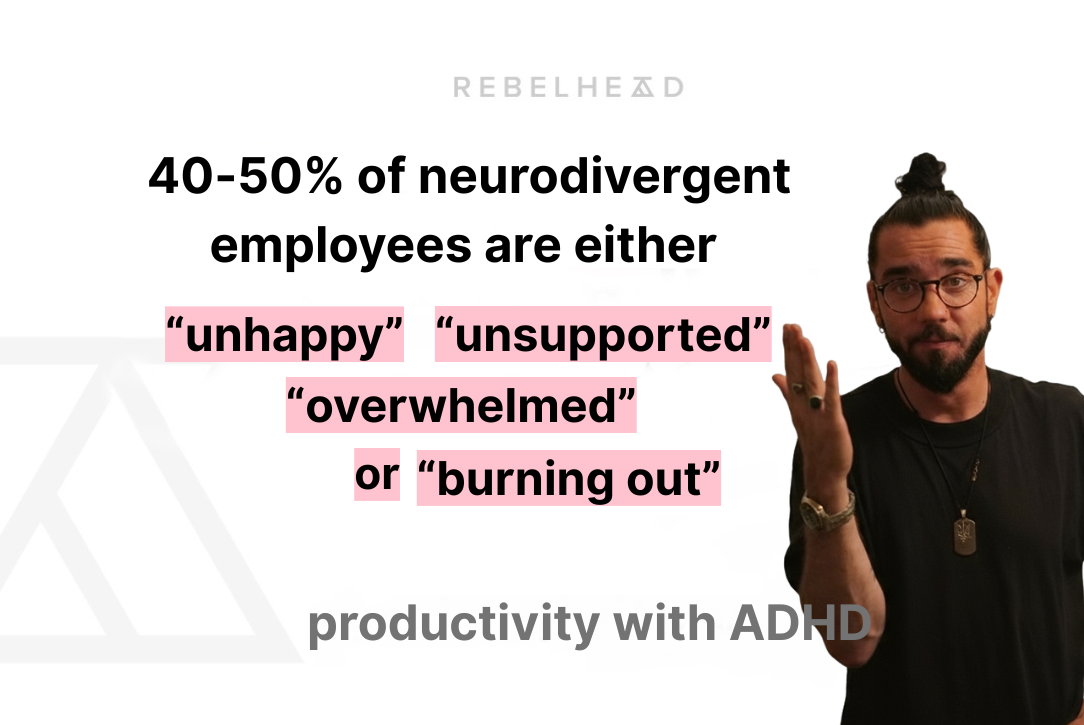
Many neurodivergent employees are forced to mask, to hide their differences, suppress their needs, or burn themselves out trying to “pass” as neurotypical. This leads to stress, disengagement, and high attrition. It’s estimated that up to 80% of autistic adults are unemployed or underemployed, despite many being qualified and eager to contribute.
We’re measuring talent through the wrong lens.
What Can Employers Do?
- Redesign Job Descriptions
Avoid vague or exclusionary language. Focus on essential skills and outcomes, not personality traits like “excellent communicator” or “team player” unless they are truly core. - Rethink Interviews
Traditional interviews reward confidence and social agility, not necessarily competence. Offer alternatives like work samples, job trials, or structured tasks. - Normalize Neurodiversity
Celebrate neurodivergent success stories. Provide optional neurodiversity awareness training. Foster a culture where difference is discussed without stigma. - Offer Flexibility by Default
Whether it’s noise-cancelling headphones, flexible hours, or the option to work remotely, small accommodations can make a big difference. - Create Safe Disclosure Pathways
Many neurodivergent employees don’t disclose their differences for fear of discrimination. Make it clear that disclosure leads to support, not scrutiny. - Promote Neurodivergent Leaders
Representation matters. When neurodivergent employees see others like them thriving at senior levels, it signals true inclusion, not just tolerance.
Gen Z Is Changing the Game
This is not a temporary trend, it’s a generational shift.
Gen Z, the most diverse and socially conscious generation yet, is rewriting workplace expectations. They’re more likely to speak openly about mental health, more likely to self-identify as neurodivergent, and more likely to demand that employers accommodate, and celebrate difference.
They’re not asking for special treatment. They’re asking for fairness, transparency, and belonging.
Smart companies will listen. They’ll go beyond inclusion statements and build truly neuroinclusive cultures. The rewards? Better retention. Higher productivity. Stronger innovation. And a reputation as an employer of choice for the next generation.
The Future Is Neurodiverse
The data is clear. The workforce is already neurodiverse. The question isn’t whether to include neurodivergent professionals, it’s whether your workplace is designed to thrive with them.
Inclusion is no longer optional. It’s the engine of innovation.
If you’re still designing your teams, your policies, and your workplaces around a narrow definition of “normal”, you’re not just excluding people, you’re leaving performance, profit, and potential on the table.
It’s time to widen the lens.
Because when we build workplaces that work for neurodivergent minds, we build workplaces that work better for everyone.
Links:
Popular Articles:
Effective listening techniques for marketers with ADHD
People with ADHD are about 60% more likely to be fired